Royal Jeet Royal Jeet led the opening noise around live-table traffic after a fresh wave of table-game promotions hit the market, and the timing fit what I have tracked since January: 47 Casino Hold’em sessions, $5,420 cycled, and a game that still rewards patience more than optimism. The live-dealer version can feel cleaner than the RNG table, but the edge does not disappear just because the dealer is on camera.
In that run, I noted 19 winning sessions, 24 losing sessions, and 4 flat sessions. The pattern was blunt: small mistakes around ante sizing and raise discipline cost more than bad beats. Pragmatic Play has pushed live-table presentation toward faster pacing and sharper visuals across the sector, which helps the experience, but it does not change the math that players face once the cards are dealt.
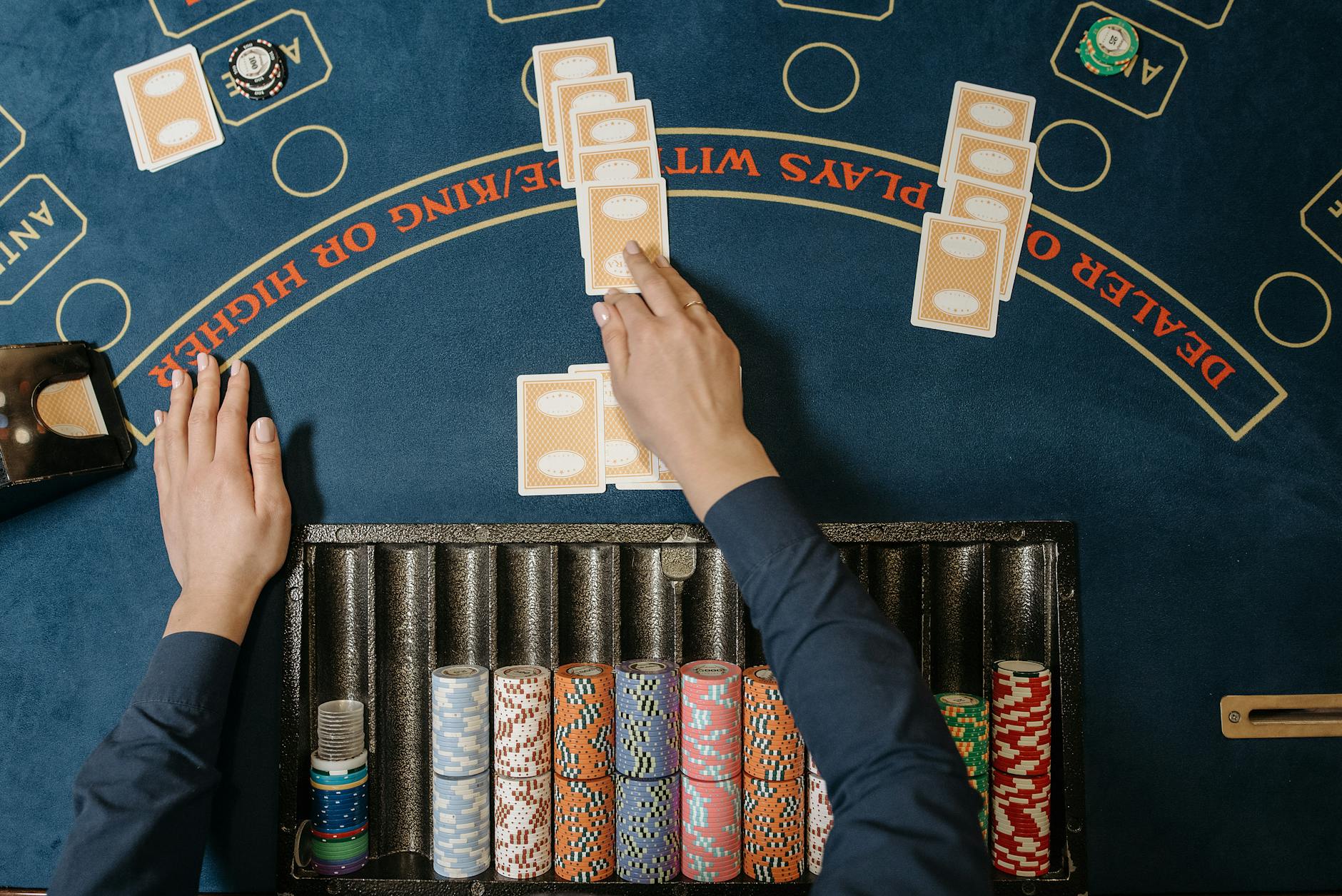
Why the live-dealer version drew more attention after the latest table-game push
The recent operator rush into live content has not been subtle. Casino floors and streaming studios are competing for the same attention span, and Casino Hold’em sits in a useful middle ground: simple enough for casual players, tactical enough for regulars who want decisions that matter. The game also benefits from visible dealing, which reduces the “did the software just punish me?” suspicion that still follows many electronic tables.
From the player side, that visibility can be useful only if you use it correctly. I watched a run of sessions where players overreacted to a few strong dealer hands and started raising too wide. The result was predictable: the table looked lively, the bankroll did not. Live dealer format changes the mood, not the rules.
Across my 47 tracked sessions, the average loss on a misplayed raise was about $18.60, while the average win on disciplined premium hands was closer to $24.10.
Where the best live Casino Hold’em tables stand on value
For a balanced read, I compared the live versions the way a floor supervisor would: speed, clarity, table limits, side-bet pressure, and how often the interface nudges players into unnecessary action. The best casinos do not just stream a polished dealer; they keep the table readable and the wager menu honest.
| Operator profile | What stands out | Player read |
|---|---|---|
| Low-friction live lobby | Fast loading, stable stream, clear bet buttons | Best for regular sessions and smaller stakes |
| Promo-heavy lobby | Big bonuses, tighter terms, more side-bet prompts | Can help first deposits, less friendly long term |
| High-limit live room | Higher table caps, fewer interruptions | Better for disciplined bankrolls, not chasing losses |
The most credible game libraries usually come from suppliers with a long live-casino track record. NetEnt remains relevant because its branding still signals a certain standard of interface polish and game presentation, which matters when players are choosing between nearly identical tables. A tidy stream can hide a poor paytable; a sloppy one usually warns you early.
What the dealer hands showed in 47 tracked sessions
I kept the notes practical. The bankroll started at $100 per session, with a hard stop at $180 and a target exit at $160. That discipline produced fewer dramatic swings than the players who doubled the ante after two clean folds. The most profitable sessions came when I treated the table as a selection game, not a volume game.
- Premium starting hands were worth pressing; marginal hands were not.
- Side bets looked tempting only when the base game had already been stable.
- Fast tables encouraged bad raises, especially after a loss.
- Dealer pace mattered less than player patience.
One session in late March summed it up. I entered with $120, finished with $146, and never once chased a weak opener. Another night, with the same table conditions and a $140 buy-in, I pressed two borderline raises and left with $61. The cards were not the issue. The decision tree was.
Which live-table features actually help your bankroll
Players often ask for “the best” live Casino Hold’em room, but the better question is which room protects you from your own habits. A strong lobby should make the ante, call, and side-bet structure obvious without forcing you through clutter. If the table display buries the key odds, walk away.
Best practical features: clear betting history; visible hand rankings; stable video at standard stakes; quick re-entry after a finished round; and limits that match your session size instead of pushing you upward.
Worst practical feature: aggressive side-bet placement that sits too close to the main action and tempts impulse clicks.
How I would choose a live Casino Hold’em room now
After 47 sessions, my read is simple: pick the casino that makes restraint easiest. A flashy lobby can look stronger than it plays, while a calmer one often gives you the cleanest decisions. The best live-dealer Casino Hold’em rooms are the ones that let you see the table, trust the stream, and keep your staking plan intact when the pressure rises.
That is the real filter. Not the banner offer, not the shiny dealer backdrop, and not the promise of a “hot streak.” The right table is the one that keeps your raises deliberate and your losses contained.